Listen · 3:09 Écouter · 2:57
0:00 / 3:09
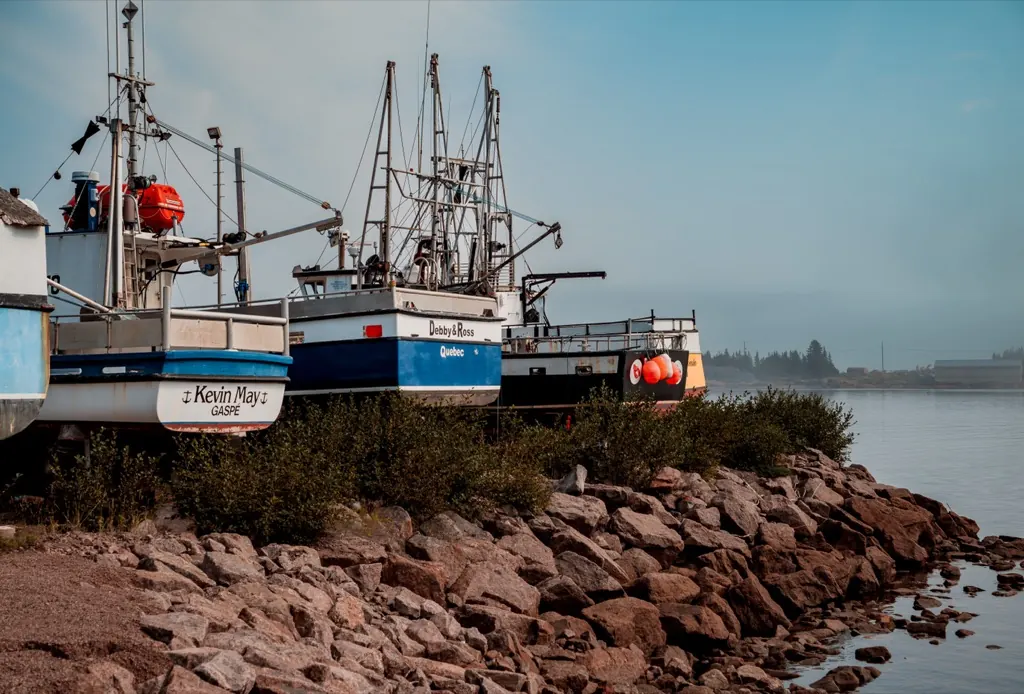
The name La Tabatière is said to come from the Innu term tabaquen, meaning sorcerer. It is thought to stem from a tradition in which the Innu who traded with the settlers consulted a seer before setting out on a hunting expedition.
settles
founded
today
From the 18th century, the main hamlet became one of the best sealing stations on the entire Lower North Shore. French concessionaires held exclusive fishing rights there and also ran a trade in eider down, gathered from the ducks' nests. A French trading post operated there until the 1760s, when New France fell and it passed into British hands. After the Conquest, a Quebec company bought the post, but went bankrupt at the beginning of the 19th century. In 1820, the local industry was taken over by Samuel Robertson, a Scot and former employee of the company, who founded a permanent establishment there and developed the production of seal oil. His descendants still live in the region today.
During the 19th century, La Tabatière welcomed waves of immigrants from the Channel Islands (Jersey), from Quebec and from Newfoundland. These settlers helped found the three hamlets that make up the community today: Vieux-Poste, Baie-Rouge, and La Tabatière, which was also known by the English name Spar Point for part of the 19th century. A Catholic mission, Saint-Joseph-de-la-Tabatière, was founded in 1885, and a post office opened in 1907. Amusingly, in 1900 La Tabatière had the only cow on the whole coast; it can hardly have been feasting on rich pastures round about.
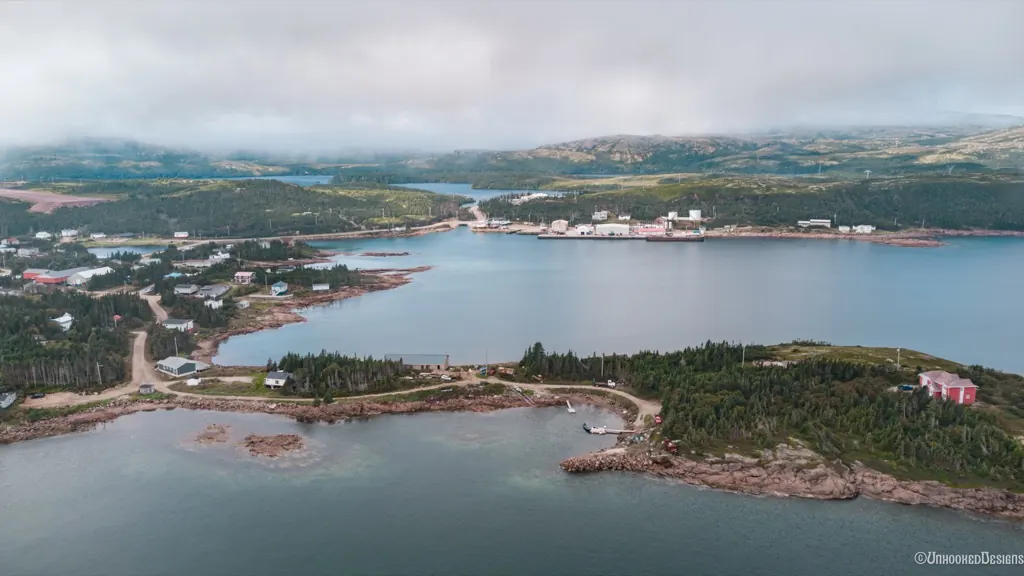
For a long time, La Tabatière was dominated by one of the largest seal-oil and fish-oil plants on the Lower North Shore, operated notably by the Robertson family. It was destroyed around 1930 and replaced by a fish-processing plant, still in operation today and considered the largest on the coast. Crab, shrimp and scallops are processed there.
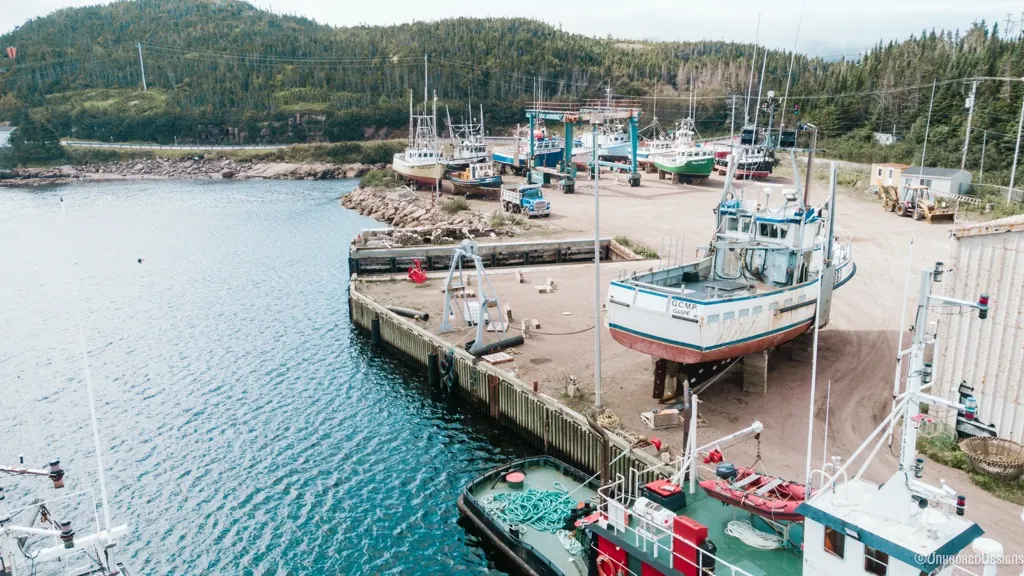
The remains of the Robertson foundry (pots used to render seal fat into oil) can still be seen at Spar Point, and are an important witness to local history.
Today, La Tabatière is part of the municipality of Gros-Mécatina (created in 1994) and has about 500 residents. With no road access, it can be reached only by boat or plane, and it remains a regional economic centre thanks to fishing and seafood processing.
La Tabatière, Basse-Côte-Nord · Coastal Legacies
Le nom La Tabatière aurait pour origine le terme innu tabaquen, qui signifie sorcier. Ce nom proviendrait d'une tradition selon laquelle les Innus qui commerçaient avec les colons consultaient un sorcier-voyant avant de partir en expédition de chasse.
Samuel Robertson
catholique
aujourd'hui
Dès le XVIIIe siècle, le hameau principal devient l'une des meilleures stations de pêche au loup marin de toute la Basse-Côte-Nord. Des concessionnaires français y détiennent des droits exclusifs de pêche et exploitent également le commerce de la plume d'eider, prélevée dans les nids de canards. Un poste de traite français y est en activité jusqu'aux années 1760, moment de la chute de la Nouvelle-France, où il passe aux mains des Britanniques. Après la Conquête, une compagnie de Québec rachète le poste, mais fait faillite au début du 19e siècle. En 1820, l'industrie locale est reprise par Samuel Robertson, un Écossais ancien employé de la compagnie, qui y fonde un établissement permanent et développe la production d'huile de loup marin. Ses descendants vivent encore aujourd'hui dans la région.
Durant le 19e siècle, La Tabatière accueille des vagues d'immigration provenant des îles anglo-normandes (Jersey), du Québec et de Terre-Neuve. Ces colons contribuent à fonder les trois hameaux qui forment aujourd'hui la communauté du Vieux-Poste, de Baie-Rouge, et de La Tabatière qui sera également connu sous l'appellation anglaise Spar Point pendant une partie du 19e siècle. Une mission catholique, Saint-Joseph-de-la-Tabatière, est fondée en 1885, et un bureau de poste ouvre en 1907. Il est amusant de savoir qu'en 1900 La Tabatière possède l'unique vache de toute la côte ; elle ne doit pas faire bombance sur les gras pâturages d'alentour.
La Tabatière est longtemps dominée par l'une des plus importantes usines de fabrication d'huile de loup marin et d'huile de poisson de toute la Basse-Côte-Nord, qui sera exploitée notamment par la famille Robertson. Elle sera détruite vers 1930, puis remplacée par une usine de transformation du poisson, toujours en activité aujourd'hui et considérée comme la plus importante de la côte. On y traite le crabe, la crevette et le pétoncle.
Les vestiges de la Fonderie Robertson (pots servant à fondre la graisse de loup marin en huile) sont encore visibles à Spar Point, et constituent un témoin important de l'histoire locale.
Aujourd'hui, La Tabatière fait partie de la municipalité de Gros-Mécatina (créée en 1994), regroupe environ 500 résidents, est accessible uniquement par bateau ou avion, n'ayant pas d'accès routier, et demeure un centre économique régional grâce à la pêche et à la transformation des produits marins.
La Tabatière, Basse-Côte-Nord · Coastal Legacies