Listen · 2:13 Écouter · 2:13
0:00 / 2:13
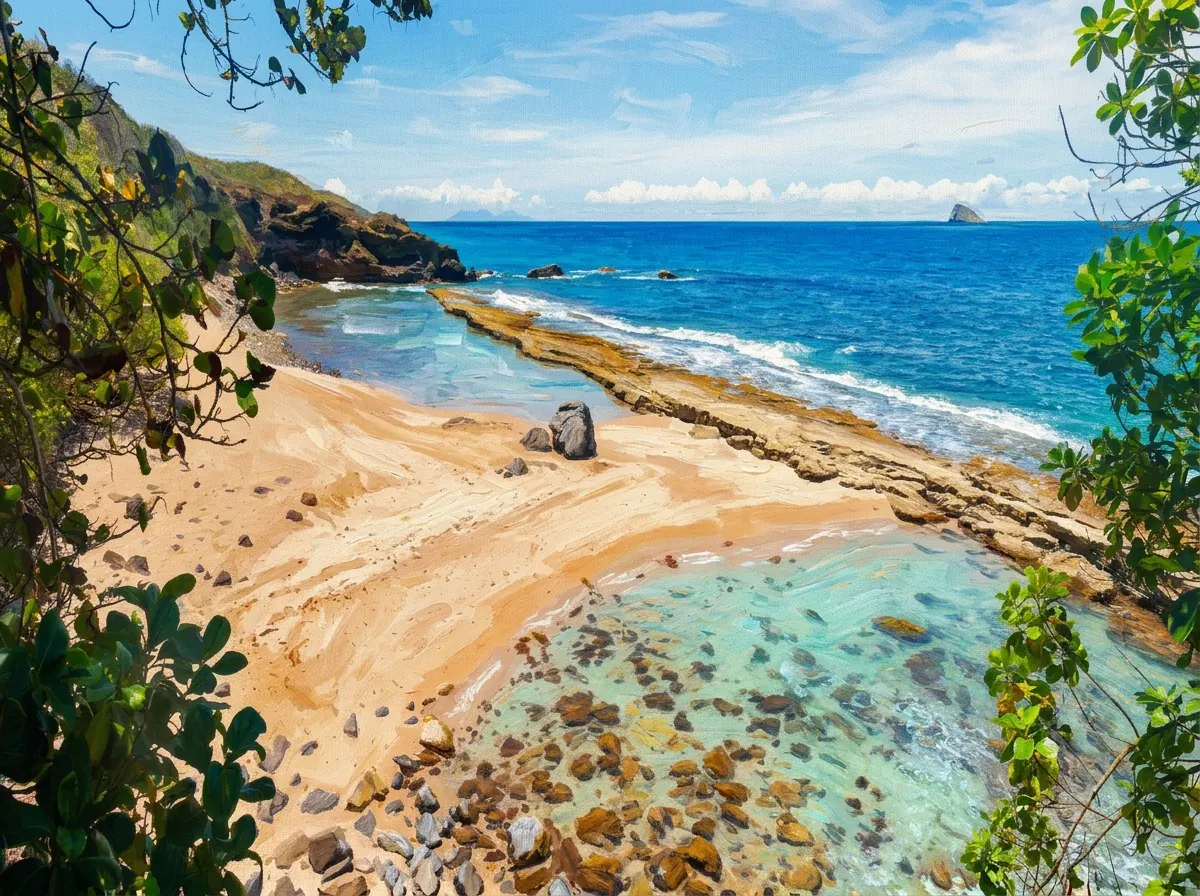
The existence of a fishing port named Brest in Canada is attested by Jacques Cartier. This port is mentioned in several documents from the late 15th and 16th centuries.
This location was founded by Breton fishermen in the late 15th or early 16th century. It is highly probable that, originally, it was not really a village with a permanent population, but rather a temporary outpost used during the fishing season.
Brest is believed to have been an active whaling center, with ovens, warehouses, and forges.
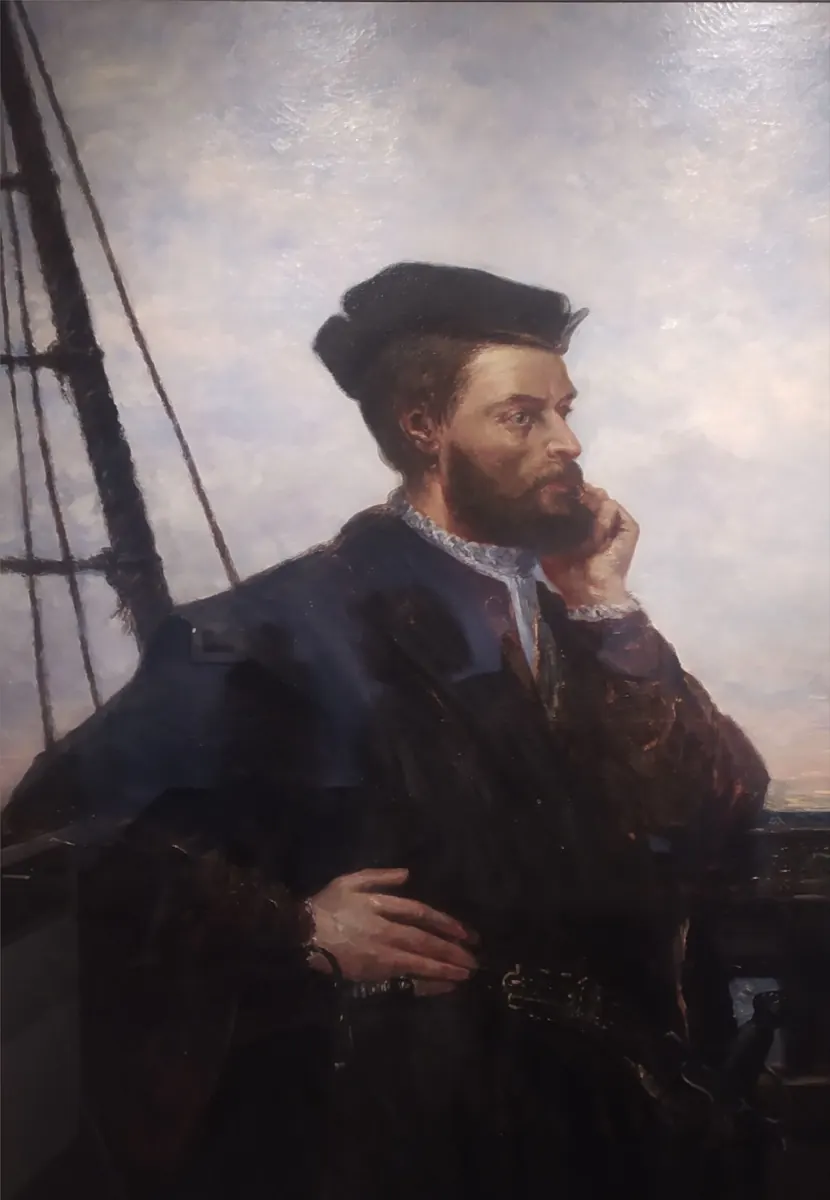
Jacques Cartier mentions Brest in the account of his first voyage to Canada. His ships stayed there for at least a day. He planted a cross and celebrated a mass there. Then he resumed his voyage after stocking up on fresh water, provisions, and wood. This occurred in June 1534, three weeks before his landing in Gaspésie.
According to the Société historique du Canton de Pontchartrain and the inhabitants of Old Fort, a village on the Lower North Shore, they believe that Brest was located at the site of the current Old Fort.
However, even though Brest appears on geographical maps preserved in French archives, these maps are very inaccurate, so the location of Brest remains an enigma.
There is also much speculation about the reasons for its disappearance. Curiously, there has even been discussions about the origin of the name of this port founded by Breton fishermen, with some historians claiming that the name is a deformation of the Montagnais word (an Indigenous nation of these areas) bu-ris-te, which means, Place where the Whites hunt.
L'existence au Canada d'un port de pêche nommé Brest est attestée entre autres par Jacques Cartier. Ce port est cité dans plusieurs documents de la fin du XVe siècle et du XVIe siècle.
Cette localité fut occupée par des pêcheurs bretons à la fin du XVe ou au début XVIe siècle. Il est fort probable qu'à l'origine il ne s'agissait pas vraiment d'un village avec une population permanente, mais d'un poste temporaire utilisé pendant la saison de pêche.
Brest aurait été un centre actif de pêche à la baleine, avec des fours, des dépôts et des forges.
Jacques Cartier fait mention de Brest dans le récit de son premier voyage au Canada. Ses vaisseaux y sont restés au moins une journée. Il y planta une croix et célébra une messe. Puis il reprit son voyage après s'être approvisionné en eau douce, en vivres et en bois. Cela eut lieu en juin 1534, trois semaines avant son débarquement en Gaspésie.
Selon la Société historique du Canton de Pontchartrain et les habitants du village de Vieux Fort (Old Fort), on pense que Brest se trouvait à l'emplacement de l'actuel Vieux Fort.
Cependant, même si Brest apparaît sur les cartes géographiques conservées dans les archives françaises, ces cartes sont très inexactes, aussi la localisation de Brest demeure-t-elle une énigme.
On se perd également en conjectures sur les raisons de sa disparition. Curieusement, on a même discuté de l'origine du nom de ce port fondé par des pêcheurs bretons, certains historiens ayant affirmé que ce nom serait une déformation du mot innu (nation autochtone de ces lieux) bu-ris-te, qui signifie « Lieu où chassent les Blancs ».