Listen · 4:33 Écouter · 4:52
0:00 / 4:33
It was while reading a copy of a letter sent from New France by Sieur de Combes, a gentleman from Poitou, to a friend of his, in which he briefly describes the wonders, excellence, and riches of the country, along with the customs of those who inhabit it, the glory of the French, and the hope that there is of making America Christian, printed in Lyon in 1609, one can read one of the oldest lies written about Canada.
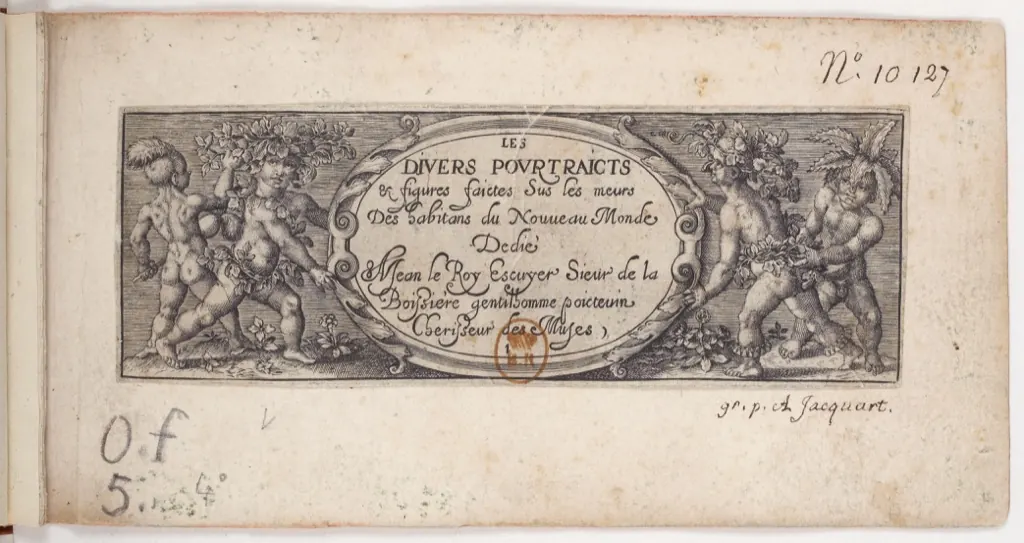
This "Coppie" recounts the expedition written in the first person of the narrator's Atlantic crossing and stay in America, hosted by a certain Sieur du Dongeon who holds court in "Brest, the principal city of the whole country."
The letter reads as follows:
"You should therefore know that since our departure from La Rochelle on April 13, 1604, "under the guidance" of a navigator with a British surname, a certain "Sieur de Bricant, an experienced captain both at sea and on land" ...
"The Kingdom of Canada may be about three hundred leagues long and one hundred and fifty leagues wide, with a fairly good climate, except that it is a little colder than France" ...
"The main cities are Brest, Hanguedo, Canada, Hochilago, Foquelay, Turquas, Brinon, Bonara, Forniset, Grossot, Horsago, Poquet, Tarat, and Fongo, all large and well-fortified cities."
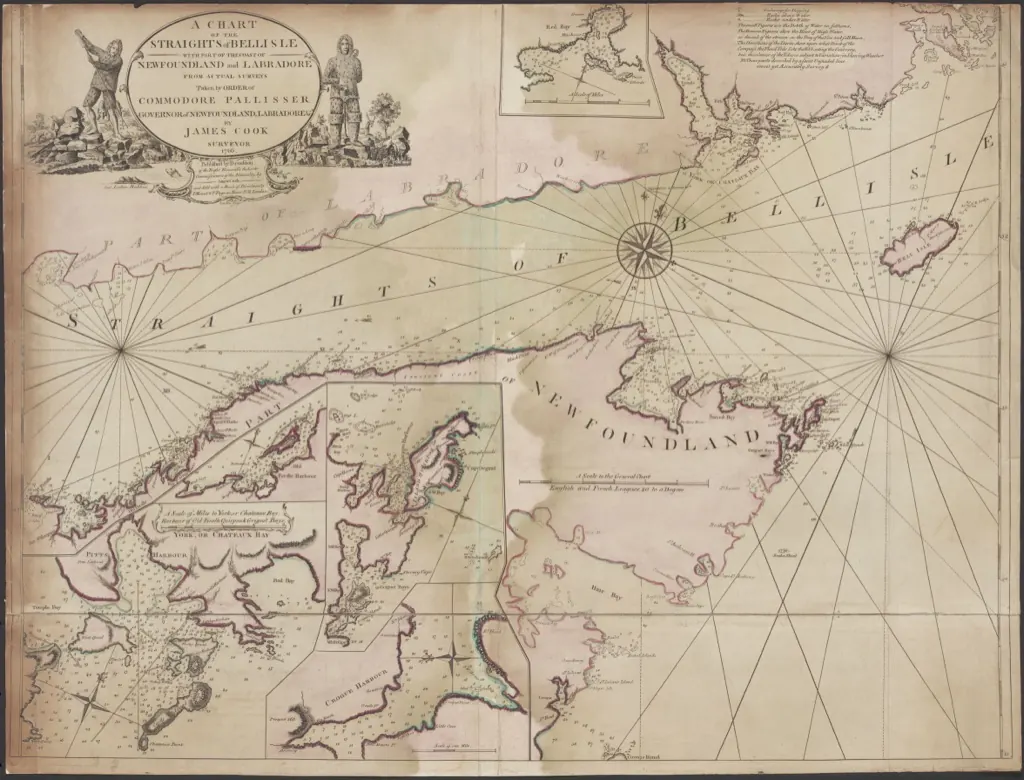
Sieur de Combes, Gentilhomme Poictevin, described the Strait of Belle Isle as "the beginning of Canada, but we did not want to stay there long because we wanted to go first to see Sieur du Dongeon, who is its governor and usually resides in Brest." It is at this point that the letter takes an implausible turn with the description of Brest as "the principal city of the whole country, well-fortified, large and strong, populated by about fifty thousand men, and supplied with everything necessary for the enrichment of a good city, about fifty leagues from Surfe."
The letter is filled with names of people and places but has, in fact, no connection with the historical reality of French colonization of North America in the early 17th century.
The document conveys a utopian and unrealistic vision of colonization. The epistolary narrative, unlike the historical narrative, gives its author the privilege of formulating a particular experience that cannot be compared to any other.
The letter seems to bear the influence of the Society of Jesus; we can assume that it was published with the agreement of the Jesuits, who were keen to obtain some support in their search for ways to travel to New France.
The copy of a letter sent from New France, or Canada, was printed in Lyon with the official approval of the Jesuit order. This "Copy of a letter sent from New France, or Canada" claims to be a copy of a letter sent on "February 13, 1608," to an anonymous "friend" by a person named Des Combes or De Combes. This letter recounts the first-hand account of the writer's journey across the Atlantic and his stay in North America, where he was welcomed by a man called Sieur du Dongeon.
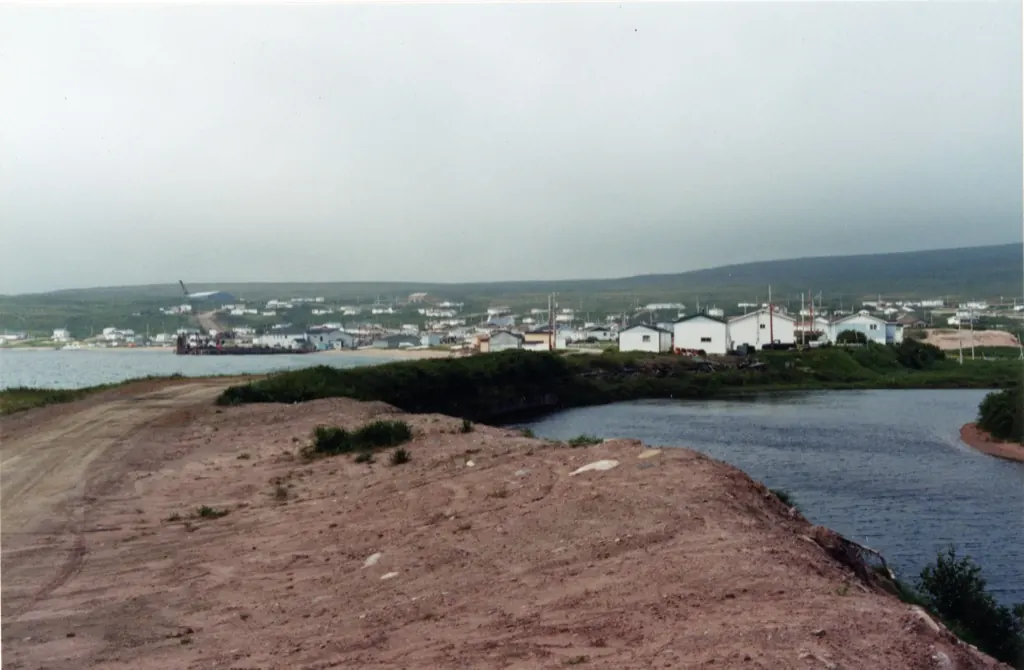
This important host held court in "Brest, the main city of the whole country" (which is considered to be the present-day village of Vieux-Fort in the Bonne-Espérance on the Lower North Shore).
He even had personal contact with the King of France to obtain the necessary assistance to defeat the "cruel and warlike peoples" (according to the letter) living in Canada.
C'est en lisant la Coppie d'une lettre envoyée de la Nouvelle France, par le Sieur de Combes, Gentilhomme Poictevin, à un sien amy En laquelle sont brièvement décrites les merveilles, excellences, et richesses du pays, ensemble la façon et mœurs de ceux qui l'habitent, la gloire des François, et l'espérance qu'il y a de rendre l'Amérique Chrétienne, imprimée à Lyon en 1609, que l'on peut lire un des plus vieux mensonges rédigés sur le Canada.
Cette « Coppie » relate l'expédition rédigé à la première personne de la traversée de l'Atlantique et du séjour américain du narrateur, reçu chez un certain sieur du Dongeon qui tient sa cour à « Brest, principale ville de tout le païs ».
La lettre va comme suit :
« Vous devez donc savoir que depuis notre départ de la Rochelle, qui fut le 13. d'Avril 1604 « sous la conduite » d'un navigateur au patronyme britannique, un certain « Sieur de Bricant, autant expérimenté Capitaine tant sur mer que sur terre » ... « Le Royaume de Canada peut estre environ de l'étendue de trois cens lieues de long, et de cent cinquante de large, d'assez bonne température, sinon qu'il est un petit plus froid que la France » ... « Les principales villes sont Brest, Hanguedo, Canada, Hochilago, Foquelay, Turquas, Brinon, Bonara, Forniset, Grossot, du [mot manquant] et Horsago, Poquet, Tarat, et Fongo, tout grosses villes et bien munies ».
le Sieur de Combes, Gentilhomme Poictevin décrit le Détroit de Belle Isle comme étant « le commencement de Canada, mais nous ne voulions pas y faire grand séjour, parce que nous voulions tout de premier abord aller voir le sieur du Dongeon qui en est gouverneur, et se tient d'ordinaire à Brest ». C'est à ce moment que la lettre prend une tournure invraisemblable avec la description de Brest comme étant « la principale ville de tout le païs, bien munie, grande et forte, peuplée d'environ cinquante mille hommes, et fournie de tout ce qui est nécessaire à l'enrichissement d'une bonne ville, distante de Surfe d'environ cinquante lieues. ».
La lettre est remplie de noms de personnes et de lieux mais n'a, en fait, aucun lien avec la réalité historique de la colonisation française de l'Amérique du Nord au début du XVIIe siècle.
Le document véhicule une vision utopique et irréaliste de la colonisation. Le récit épistolaire, contrairement au récit historique, assure à son auteur le privilège de formuler une expérience particulière qui ne peut être comparée à aucune autre.
La lettre semble porter l'influence de la Compagnie de Jésus ; on peut supposer qu'elle a été publiée avec l'accord des Jésuites, soucieux d'obtenir un certain soutien dans leur recherche de moyens pour se rendre en Nouvelle-France.